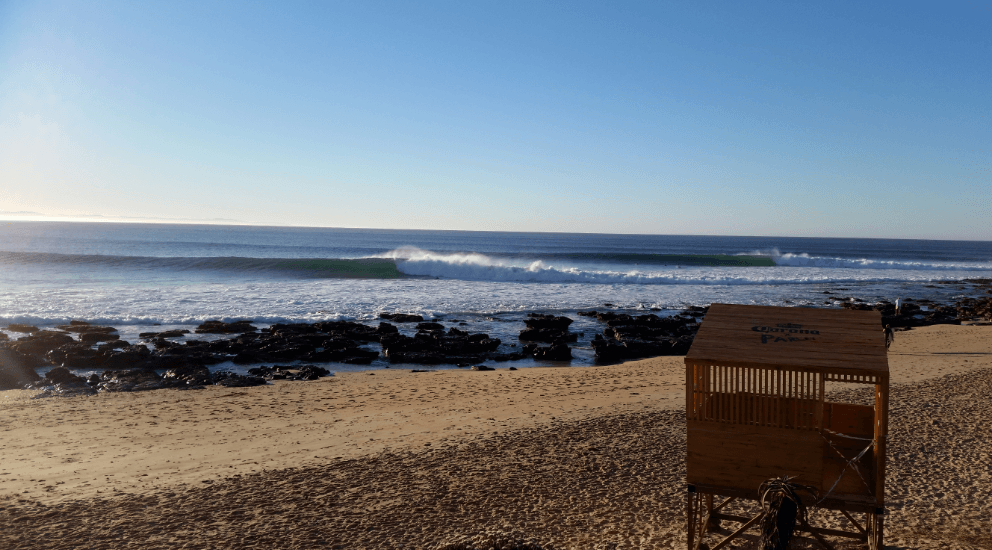
Jeffreys Bay: From Humble Fishing Village to South Africa s Surfari Capital.
Jeffreys Bay: From Humble Fishing Village to South Africa’s Surfari Capital
If you ever find yourself craving endless waves, golden beaches, and a laid-back coastal lifestyle, then Jeffreys Bay or J-Bay, as locals call it should be at the top of your South African surfari itinerary. This world-renowned surf town on the Eastern Cape is more than just a stop on the global surfing map it’s a destination rich in history, community, and natural beauty.
A Historic Beginning at Kitchen Windows
Jeffreys Bay owes its name to the senior partner of Jeffrey & Glendinnings, a trading company that opened a store in the area in 1849. The town’s story, however, starts with Captain Jeffreys, a cargo ship captain who sailed down South Africa’s east coast. During one of his voyages, a scurvy outbreak forced his crew to stop at what is now known as Kitchen Windows.
The calm sea, pristine beaches, and abundant ocean life convinced Captain Jeffreys to stay. He built a home known as the White House and established a store that served as a key supply point for local farmers. This modest beginning laid the groundwork for what would become one of South Africa’s most beloved coastal towns.
Come and experience J-Bay, Book A Trip.
From Fishing Village to Surfing Mecca
Originally, Jeffreys Bay thrived as a fishing village, with boats heading out daily to catch species like geelbek, steenbras, snoek, and leervis. By 1945, only a few hundred residents called the town home and not a single one was a surfer.
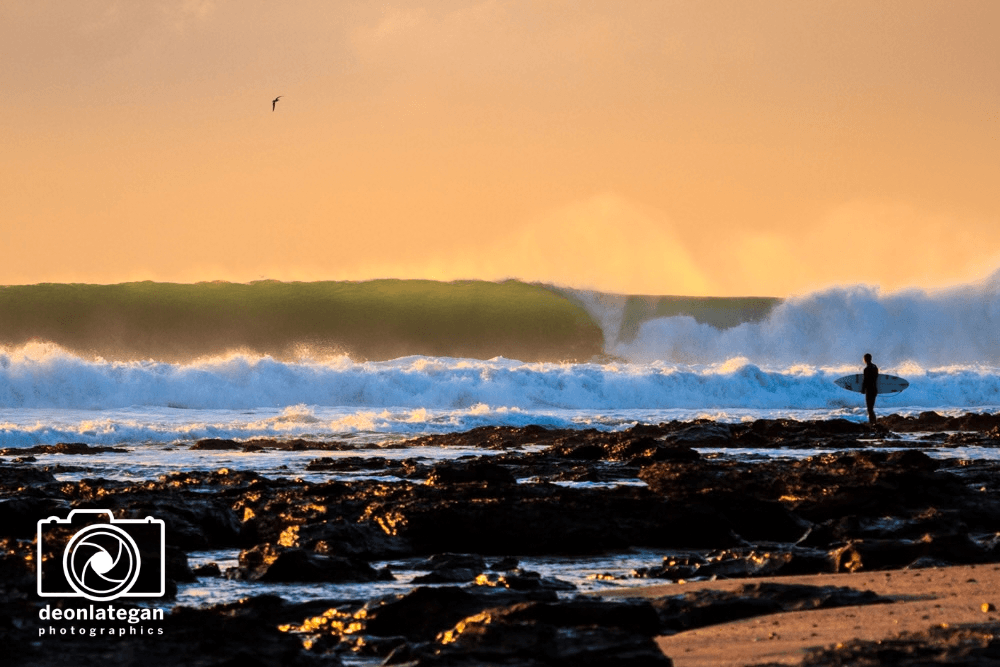
That changed in 1966 with the release of Bruce Brown’s legendary surf film, The Endless Summer. The movie featured a now-iconic surf session at Bruce’s Beauties in nearby St. Francis Bay, sparking global interest in South Africa’s perfect waves. Soon after, surfers discovered Supertubes Beach, a flawless right-hand point break that would cement Jeffreys Bay’s status as a surfari hotspot.
The Surf Culture Boom
By the late 1960s, J-Bay saw an influx of “counter-culture hippy surfers,” drawn to its uncrowded waves and natural beauty. As word spread, land along the coastline was quickly divided into plots, and a building boom began. What was once a quiet coastal retreat began transforming into a bustling surf town.
During the 1970s, investors developed houses, apartments, and even high-rises to meet growing demand. By the 1990s, South Africans from across the country were buying second homes in J-Bay, seeking an escape from city life and a chance to bask in the seaside sunshine.
A Community Anchored in Surf and Sustainability
One reason Jeffreys Bay has thrived is its close proximity to Gqeberha (formerly Port Elizabeth). But it’s not just convenience driving its popularity. South Africans and international visitors alike are drawn to the town’s blend of surf culture, local traditions, and tight-knit community.
Events like the J-Bay Open, part of the World Surf League, attract the world’s best surfers to this corner of South Africa. Yet the event also prioritizes local participation, offering opportunities for homegrown talent through youth surf programs and surf schools. These initiatives ensure that the town’s economic and cultural growth continues to benefit its residents.
The Ultimate Surfari Destination
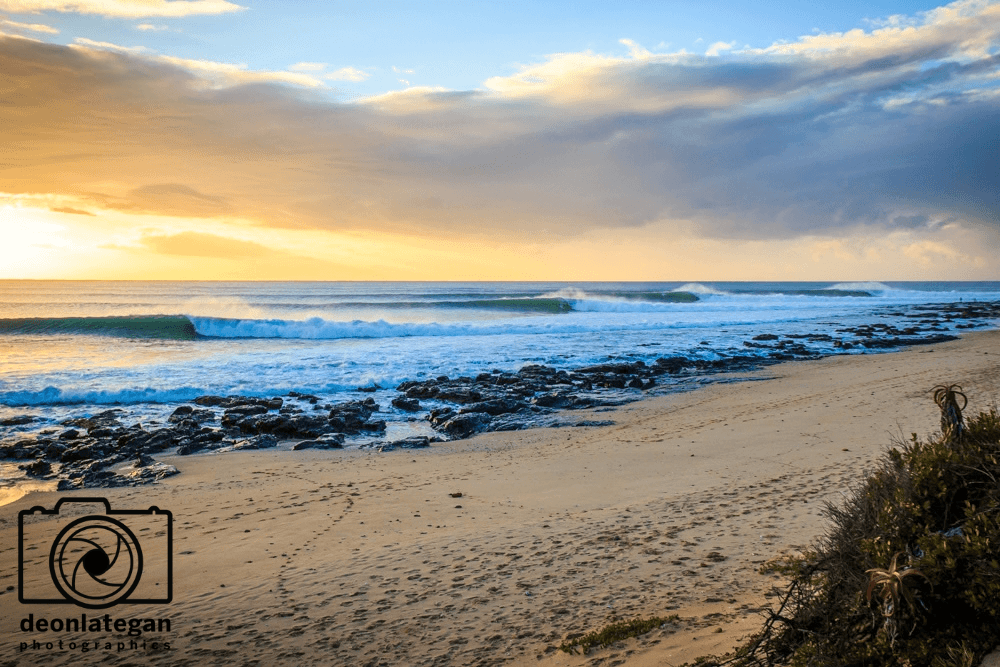
Today, Jeffreys Bay is a vibrant mix of tradition and tourism. Whether you’re here to ride the perfect wave, embark on a South African surfari, or simply relax on one of its glistening white beaches, J-Bay delivers a truly unforgettable experience.
More than just a surfing destination, Jeffreys Bay is a town with soul a place where the waves might draw you in, but the community and history will make you stay.
Planning your next surfari in South Africa? Jeffreys Bay is calling. Whether you're a seasoned surfer or a first-time visitor, there's no better place to experience the magic of the coast.